MICROFILM SCANNING MELBOURNE
Managing legacy archives can become increasingly difficult when relying on ageing film formats. Our microfilm scanning Melbourne service provides a practical way to convert physical records into clear, accessible digital files while maintaining detail and accuracy.
We support organisations across Melbourne in preserving important information stored on microfilm, ensuring it remains usable well into the future. Whether you are working with historical collections, operational records, or compliance documentation, our process is built to deliver consistent, high-quality digital results.
Moving from film to digital improves accessibility, reduces reliance on physical storage, and protects records from ongoing deterioration. Our team approaches every project with care, helping ensure long-term preservation of valuable information.
OUR CAPABILITIES IN MICROFILM DIGITISATION
We take a structured and detail-driven approach to every project. Microfilm archives often hold critical data, which is why we focus on accuracy, consistency, and careful handling throughout the digitisation process.
We can assist with:
TO FIND OUT MORE ABOUT OUR MICROFILM SCANNING SERVICES FOR YOUR BUSINESS, CONTACT US TODAY FOR A FAST, OBLIGATION-FREE QUOTE.
DEGRADATION OF FILM: WHY YOU SHOULD DIGITISE YOUR MICROFILM
Proper storage and handling are essential for preserving microfilm and fiche over time. Materials should be kept in a clean, climate-controlled environment, ideally between 18 to 22 degrees Celsius with relative humidity between 45 and 55 percent. After use, film should be returned to storage promptly, as extended exposure to light can impact its condition.
Older microfilm, particularly pre-1990s acetate-based film, is more prone to deterioration compared to newer polyester formats. Without the right conditions, this type of film can degrade more quickly, making early digitisation an important step in protecting your records.
As deterioration progresses, acetate film may develop a strong acidic smell known as vinegar syndrome. The film can become brittle, and layers may begin to separate. In some cases, reels can stick together, making handling difficult. Converting these materials through microfilm scanning Melbourne helps preserve the information before further damage occurs.
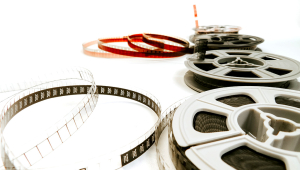
STEPS IN DIGITISING YOUR MICROFILM OR MICROFICHE ARCHIVES
OBTAIN A
QUOTATION
Our preference, and is the best way to do this, is to scan a sample set of rolls or fiche. This allows us to see how the information was originally filmed and provide a scope of work and quotation best suited to the customer’s needs.
CHOOSE A
DIGITAL PARTNER
Selecting the right provider ensures your materials are handled correctly. Our team works closely with Melbourne organisations to deliver reliable and well-managed digitisation projects.
SCHEDULE THE
COLLECTION OF MATERIALS
The chosen digitisation partner will schedule the secure collection of materials to be scanned.
Scan2Archive staff collect and transport the micro media to our scanning facility. This alleviates the possible mishandling of materials by third party freight forwarders. Our staff are experienced in the handling of sensitive and archival materials. The use of our own vehicle and staff ensures Scan2Archive retain firsthand control of the materials from the point of collection to return.
PREPARATION PRIOR
TO SCANNING
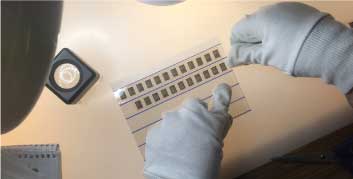
The source materials are all inspected to ensure they are in a suitable condition to be scanned. Microfilm and fiche are dusted as required and sorted in suitable batches.
Checks are conducted for damage to materials and repairs carried out where possible (a variance is raised for any materials unsuitable for digitisation).
Loose frames are repositioned into their correct channel or transferred to new micro media jackets if required.

SCANNING
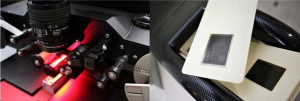
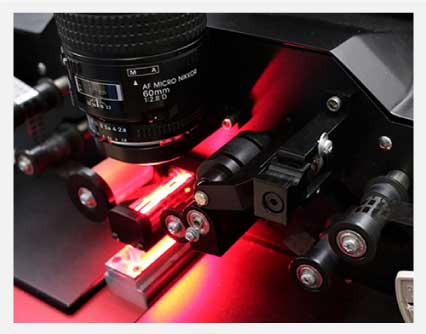
Scan2Archive digitise all microfilm and fiche using FlexScan professional microfilm scanning equipment.
FlexScan uses superior camera technology that produces incredible speed, precision and uniform output. Scanned images are sharper with better edge definition as FlexScan uses fibre optics as its light source, eliminating hotspots and uneven lighting.
Image enhancement software and hardware will be applied for maximum legibility and text search capability. Following scanning, the images will be processed through OCR text search software (handwritten information is not recognised, only printed / typed text).
POST
PREPARATION
Our team creates a file variance document to log any quality discrepancies. This document is completed by the preparation, scanning and quality control teams. The Operations Manager will review the file variance document daily and flag files to be re-scanned or returned to the customer if they do not meet the quality specifications for digitisation.

FILE NAMING AND
IMAGE DELIVERY
File output and naming conventions are confirmed with the customer. The most common file format for microfilm and fiche projects is PDF or PDF/A.
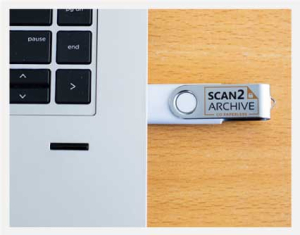
Digitised files are delivered via a secure FTP link or portable USB hard drive on an agreed schedule with the customer.
RETURN OR DESTRUCTION
OF MATERIALS
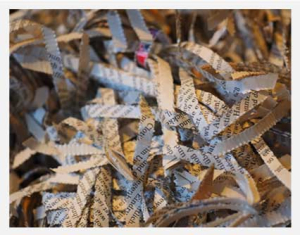
Prior to secure destruction of materials, Scan2Archive will request customer approval to do so. Materials are industrially shredded and pulped, and a certificate of destruction is provided. Alternatively, the materials can be securely returned to the customer’s office.