Microfilm to PDF: What Businesses and Archives Need to Know
A Format That Outlasted Expectations
When microfilm was introduced as a records storage medium in the early twentieth century, it was a genuine innovation. A single reel could store thousands of document images in a fraction of the physical space of the originals. Libraries, banks, government agencies, newspapers and insurance companies adopted it widely. For decades, it was the standard for long-term document preservation.
The technology proved durable. Microfilm stored under appropriate conditions can last a century or more, which is part of why so many organisations still have microfilm collections today. The problem is not that the film has failed. The problem is that the infrastructure to read and use it has become increasingly difficult to maintain.
Microfilm readers are ageing. Replacement parts are scarce. Staff who know how to operate the equipment are retiring. And the expectation from both internal users and external stakeholders is that records should be searchable and accessible digitally, not retrieved by threading a reel through a reader and scrolling to find the right frame.
Converting microfilm to digital files resolves all of these issues at once.
What the Conversion Process Involves
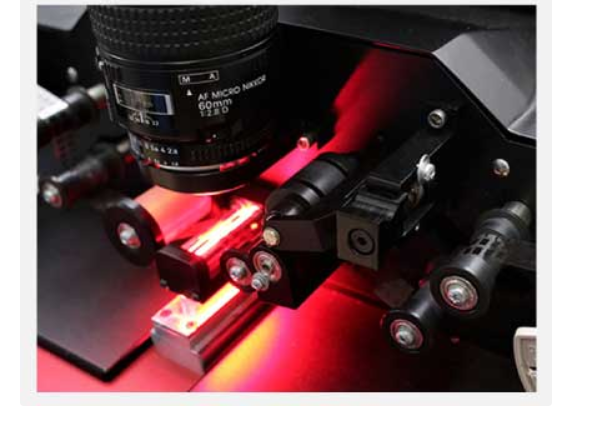
Microfilm scanning is a specialist process. The film must be handled carefully to avoid damage. The scanning equipment must produce images at sufficient resolution to capture the original document detail accurately. And because microfilm collections often contain records from multiple decades and in varying conditions, quality control throughout the project is essential.
Scan2Archive can scan all common microfilm formats, including 16mm and 35mm roll microfilm, microfiche, aperture cards, and jacketed film. High-resolution scanning captures the content of each frame, and optical character recognition (OCR) can then be applied to convert the image text into searchable, indexed digital content.
The output is typically delivered as PDF files, though TIFF and other formats are available depending on the client’s requirements. Files are indexed according to the client’s criteria, whether that is date, document reference, name, account number or another identifier, making the resulting digital archive immediately usable rather than simply a digital copy of an unorganised collection.
Our scanning processes are independently certified and audited to the AS/NZS ISO 9001:2015 Quality Management standard and the ISO/IEC 27001:2022 Information Security Management standard. For organisations converting records that contain personal, financial or legal information, this independent certification provides documented assurance that the project is managed to internationally recognised quality and security standards.
Who Still Has Microfilm, and Why It Matters
The assumption that microfilm is a relic held only by archives and libraries is not accurate. Many private sector organisations still have significant microfilm collections.
Banks and financial institutions used microfilm extensively for account records, loan files and transaction histories from the mid-twentieth century through to the 1990s. Insurance companies used it for policy records and claims files. Law firms used it for case files and court documents. Councils used it for rate records, building applications and land titles. Engineering firms used it for technical drawings. Newspaper publishers used it for editorial archives.
In each case, the records may still carry legal, compliance or operational relevance. Loan and property records may need to be referenced for historical disputes. Council records may be required for development applications. Insurance records may need to be accessed for claims. Simply because a record is old does not mean it no longer has value.
For organisations with regulatory retention obligations, the conversion of microfilm to a current, accessible format is also a practical step in demonstrating ongoing compliance with records management requirements.
Preserving Historical and Cultural Collections
For libraries, archives, local history societies and cultural institutions, microfilm collections often contain material that exists in no other form. Newspaper archives, electoral rolls, birth and death registers, land records, and municipal documents from before digital record-keeping: these collections represent irreplaceable historical records.
High-quality digitisation creates a preservation master that protects the content against the physical deterioration of the film. It also enables access that simply was not possible with microfilm. Researchers can search digitised collections by keyword. Councils can make historical records available through public portals. Libraries can include digitised collections in discovery platforms used by historians and genealogists.
Scan2Archive has a long track record working with libraries, councils, historical societies and archive services across Australia on projects involving microfilm and microfiche collections of all sizes.
Planning a Microfilm Conversion Project
The scope of a microfilm conversion project depends on the volume of film, the range of formats, the condition of the collection and the indexing requirements. Some projects are straightforward: a single format, consistent condition, standard delivery requirements. Others involve mixed formats, degraded film or complex indexing needs that require careful planning before scanning begins.
Scan2Archive’s approach starts with a project assessment. Our team works with clients to understand the collection, identify any handling requirements for damaged or fragile film, and establish the indexing and delivery specifications that will make the output most useful.
There is no minimum project size. Whether you have a few dozen reels or a collection running to tens of thousands of frames, the process and the quality standards are the same.
To discuss your microfilm conversion requirements or to receive a free quote, contact Scan2Archive at scan2archive.com.au or call 1300 789 684.